

Corporate America’s Steady Cam Test

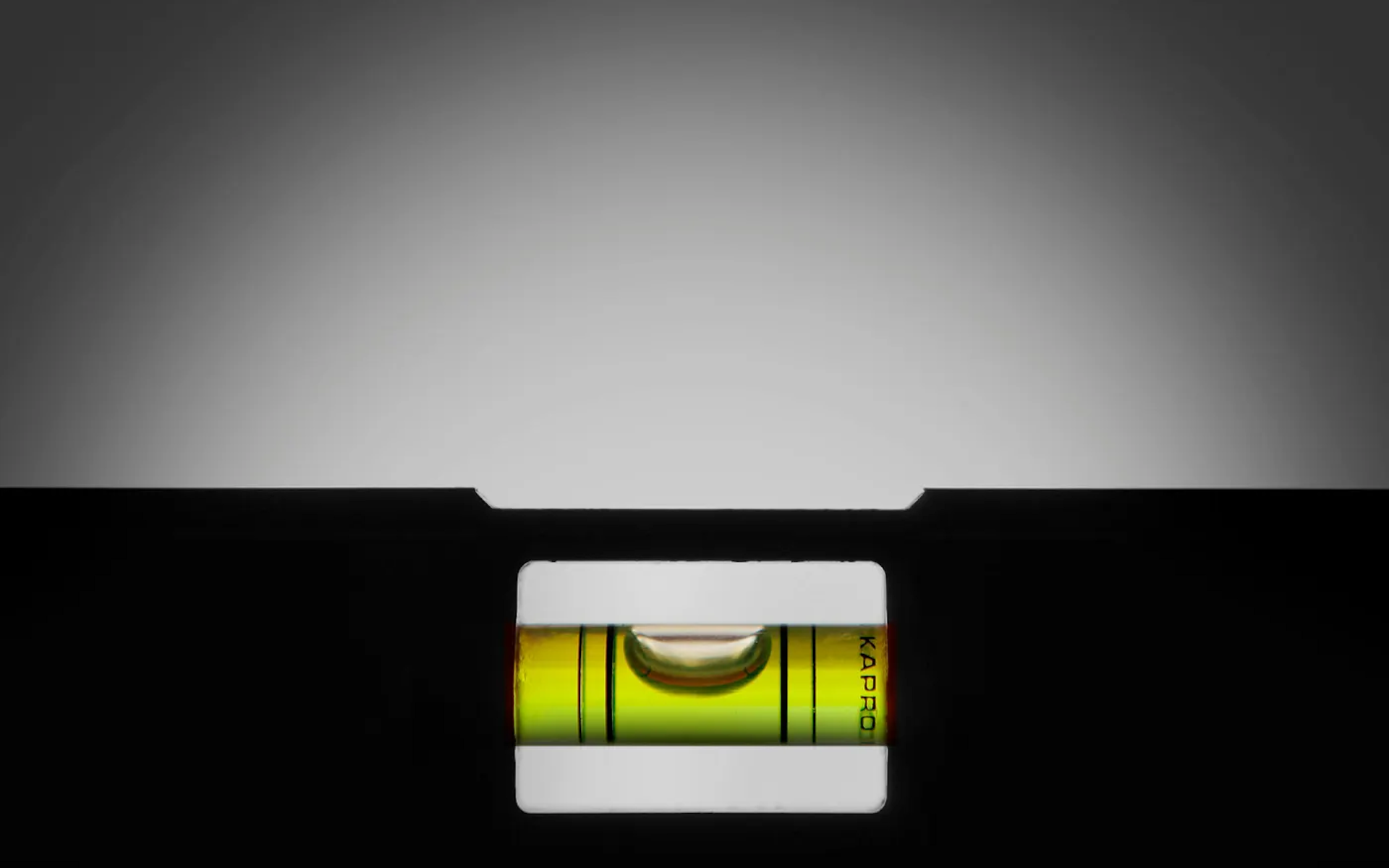
[Photo: Eran Menashriz Source: Unsplash]
I’ve been working with senior leaders for over two decades. I’ve never seen a moment quite like this.
Not because the challenges are necessarily harder than past crises. We’ve navigated financial collapses, global pandemics, and technological disruptions. But the nature of the pressure is different now. Leaders today aren’t just managing market forces or competitive threats. They’re navigating a landscape where every decision—or non-decision—gets interpreted as a statement of values. Where stakeholders on all sides are watching with heightened scrutiny. And where the cost of getting it wrong can be swift and severe.
The result is an unprecedented level of institutional paralysis. Not because leaders don’t care. But because they’re genuinely uncertain about what responsible leadership looks like when the ground keeps shifting beneath them.
The Tension No One Is Saying Out Loud
In private, CEO conversations, I hear the same concern expressed in different ways: “We’re damned if we do, damned if we don’t.”
Companies that spent years building stakeholder trust are now questioning whether standing by their stated values will invite boycotts, regulatory backlash, shareholder lawsuits. Others are wondering if walking back commitments will erode employee morale, customer loyalty, and the institutional credibility they worked decades to earn.
The examples are everywhere. Target’s reversal on longstanding policies, particularly DEI, contributed to losing a reported $12.4 billion in revenue after discontinuing some efforts, with declining foot traffic, lower net income (down 21% in Q2 2025), and its CEO stepping down, and it now faces renewed backlash from shoppers in Minnesota occupying their stores in protest. Meanwhile, Costco reaffirmed its approach at the board and shareholder level and saw both financial resilience and public confidence. Hilton finds itself in the headlines right now, navigating competing pressures in real time at the cost of their stock price as deeply distressing scenes play out in Minneapolis.
These aren’t abstractions. They’re case studies in what happens when the external environment becomes so charged that every choice carries material consequence. Including the choice to stay silent.
What This Moment Actually Tests
I don’t believe this moment is asking companies to pick sides in a culture war. That framing misses the point.
What’s being tested is something older and more fundamental. Whether a company knows who it is. And whether its leaders have the clarity and conviction to act from that center when conditions are uncertain.
Purpose and values get dismissed as marketing language. Nice to have in the annual report. Useful for recruiting talent. But ultimately decorative. That misunderstands their function. In volatile times, they’re not ornamental. They’re structural. They’re the keel that keeps the ship upright when the waters get rough.
Companies that built their strategy on genuine identity and on a clear understanding of what they stand for and why, have something to anchor to. They can make decisions from principle rather than from reaction. They can explain their choices in plain language because those choices are coherent.
Companies that treated purpose as positioning are discovering the foundation was thinner than they thought.
Four Things Today’s C-Suite Must Consider
If you’re leading through this, here’s what I’d offer as considerations from someone who’s watched organizations navigate uncertainty for thirty years.
Recognize that silence is a choice, not a neutral position. Opting out of difficult conversations doesn’t insulate you from consequences. It signals that you either don’t know what you stand for, or that you’re willing to set it aside when it’s inconvenient. Both interpretations damage precious trust.
Long-term value creation and short-term risk management are not the same thing. Fear-based decision-making protects against immediate backlash. But it rarely builds institutional strength. The companies that emerge from periods of turbulence with their reputations intact are the ones that held a steady course. Not the ones that veered with every wind shift.
Leadership is revealed in how decisions are made, not just what is decided. Were you clear about your reasoning? Did you involve the right voices? Did you communicate with honesty and transparency? The process matters as much as the outcome. Because it’s the process that signals whether you’re operating from principle or expediency.
This is not just a test for your company. It’s a test for you as a leader. Who are you when the stakes are high and the path is unclear? What do you want to be able to say, five years from now, about the choices you made in this moment? Institutional memory is long. Culture, clients, employees, and customers remember.
What Comes Next
We don’t know how long this period of heightened volatility will last. But we do know this: on the other side of it, there will be a reckoning.
Not a political one. A practical one.
Customers, employees, investors, partners — they’ll look back and assess which companies stayed grounded. Which ones lurched from one position to another? And which ones went silent when leadership was most needed? They’ll remember who acted with integrity. Who acted out of fear. And who simply disappeared when lives were on the line.
This isn’t a moment for grand gestures or performative stands. It’s a moment for clarity. For knowing who you are, what you’re building, and why it matters. For making decisions that you can explain in plain language and stand behind when the story is told.
The companies that do that quietly, consistently, and without fanfare will be the ones that emerge with their trust intact and their institutions stronger. The rest will be left explaining what happened.
Colleen Anderson is Marketing Head at We First AI, specializing in AI strategy, brand positioning, and market engagement. She helps organizations turn complex AI innovation into clear, trusted, and impactful business narratives.
Related Articles

.jpg)

.jpg)

NO PROMPT REQUIRED.
JUST REACH OUT.

