

Good Riddance to Billionaire. Hello, Trillionaire!

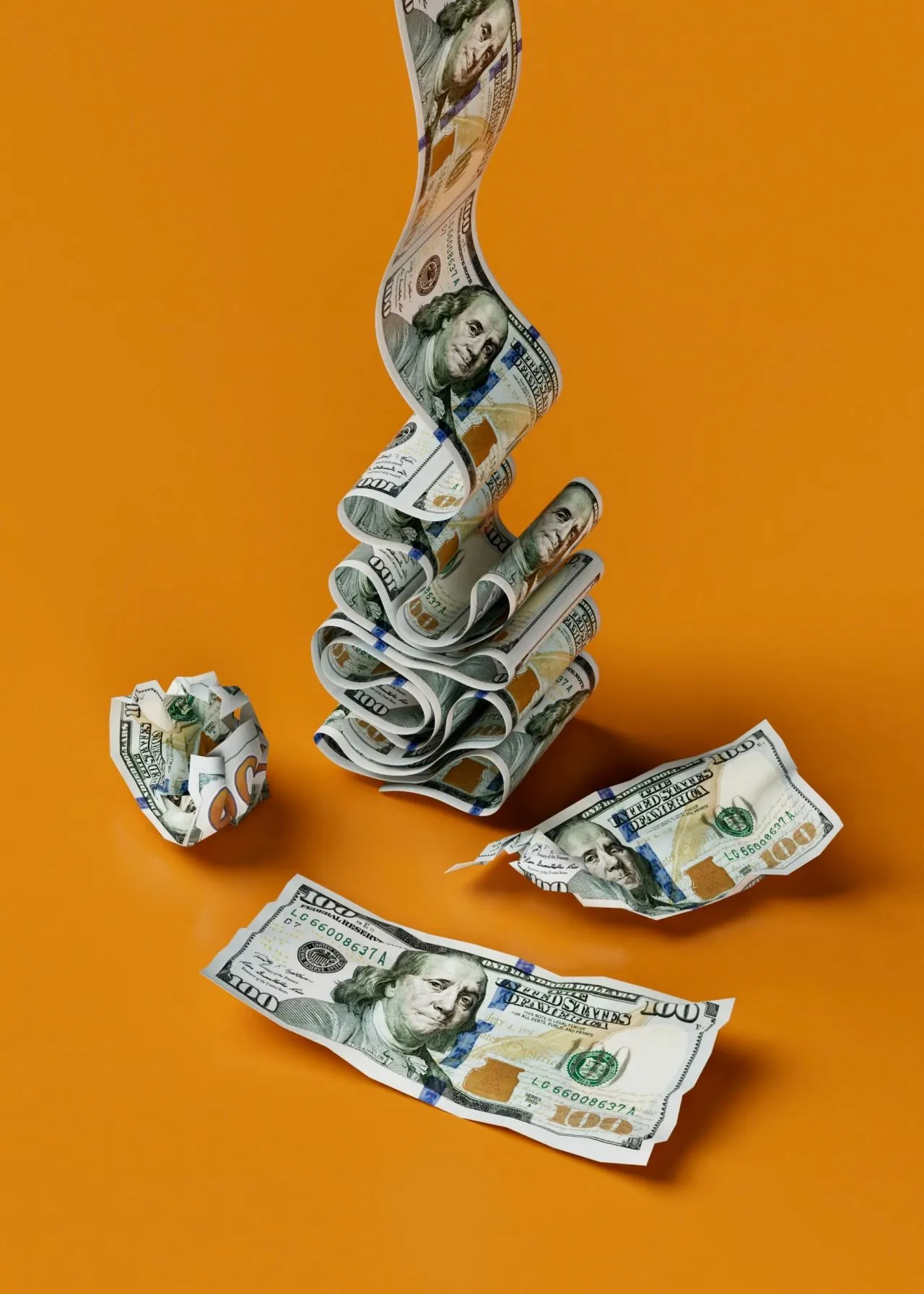
The headlines say it all. The SpaceX IPO has minted over 4,000 new millionaires among its employees and made Elon Musk the world's first trillionaire. The sheer magnitude of that number is cause for pause. But when you sit with what it means, the concentration of wealth and power attributed to a single individual who already holds an unrivaled grip on everything from satellite infrastructure to space travel, you can't help but ask whether any of this is genuinely good for humanity.
If you're like me, the word billionaire had already worn out its welcome. Not because it was relentlessly thrust in our faces, but because of what it signals about what we collectively claim to value. The data on wealth disparity is not new or ambiguous. While the care economy strains under growing demand and a rising proportion of the world's population struggles at every level, wealth concentration at the top keeps accelerating. Today's milestone doesn't interrupt that trajectory. It extends it into territory we don't yet have language to reckon with.
Perhaps my greatest concern is what this moment does to the conversation itself. Billionaires will now feel like a consolation prize by comparison. That shift in reference point matters. It recalibrates what ambition looks like, what success looks like, and implicitly what the rest of us are supposed to reach for. That is a cultural signal, and it is not a neutral one.
Meanwhile, the planet that makes all of this possible continues sending signals of its own. Living systems under pressure. Biodiversity in decline. Climate projections narrowing the window for meaningful course correction. The downstream costs of the imbalances we've normalized are accumulating, and they will be paid by people who had very little to do with the decisions that created them.
As someone approaching age 60, I think about what it means to grow up right now. To come of age absorbing the messaging about what the world prioritizes, at the exact moment when what's needed are economic models serving a broader proportion of humanity and genuinely protecting the Earth's capacity to sustain life. The zero sum game keeps consolidating. And the children inheriting it didn't design the rules.
Some will point to philanthropy, the Giving Pledge, Davos, or the Sustainable Development Goals, as evidence that extraordinary wealth can generate extraordinary good. The recent track record of each offers a more complicated answer.
The train has picked up too much speed for easy conclusions. But the question is worth asking clearly. Not just whether we're enjoying the ride, but honestly, where it is taking us.
Because the direction matters as much as the destination. And right now, it deserves a lot more scrutiny than the number.
I write about leadership, purpose, sustainability, and technology in a rapidly changing world—exploring how AI and narrative can either fragment us further or help us stay human and reconnect with what matters most.
Related Articles




NO PROMPT REQUIRED.
JUST REACH OUT.

