

Could AI Actually Help Us Feel Connected Again?

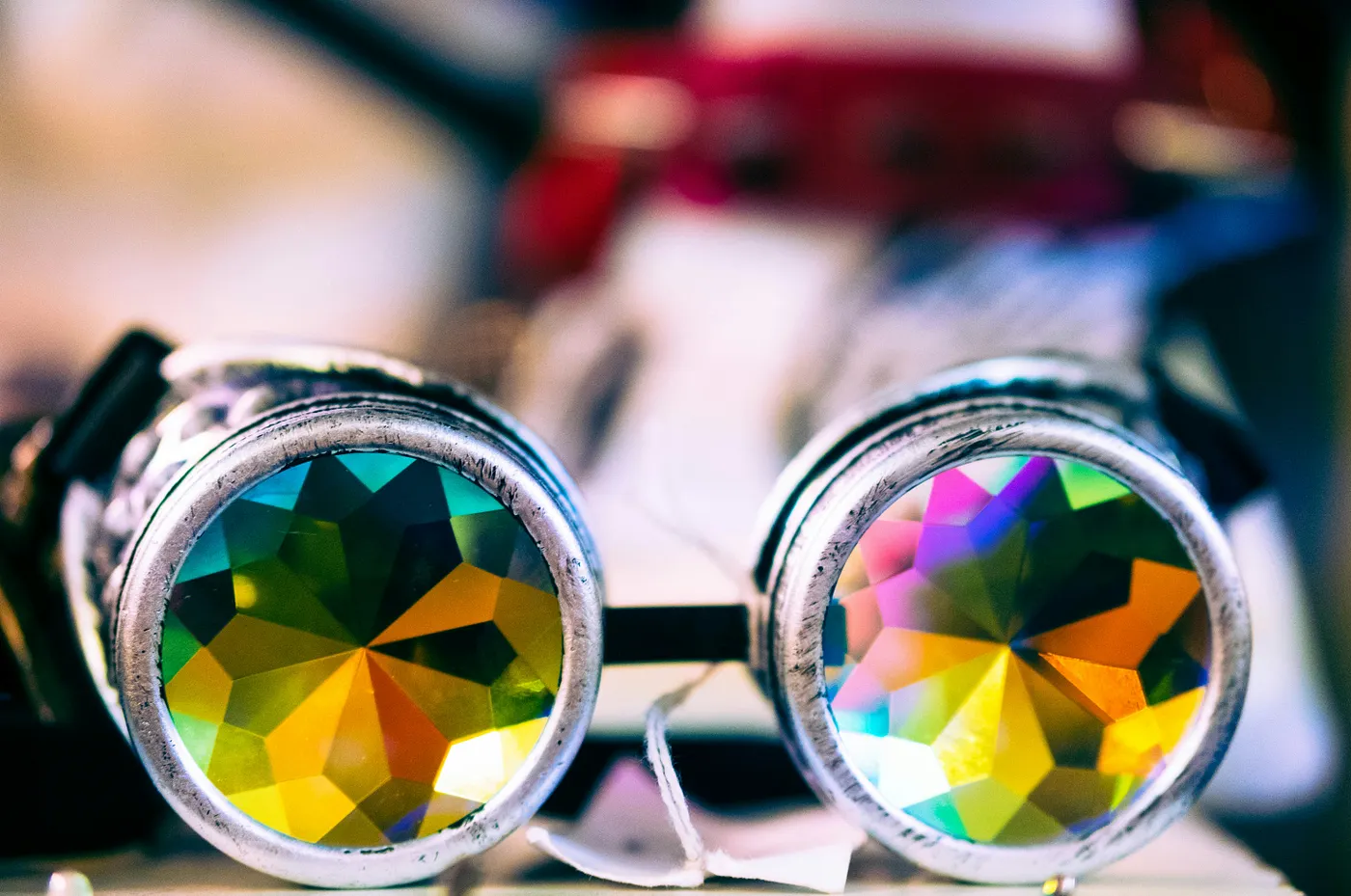
[Photo by Malcolm Lightbody on Unsplash]
I’ve been thinking about something that doesn’t fit neatly into either camp of the AI debate.
We’re all living fragmented lives now. Our days are split across multiple platforms, including Slack, text threads, LinkedIn, email, social media, and more. We’re broadcasting different avatars of ourselves depending on which platform we’re on at any given moment. We know more than any generation before us, but in truth, it’s harder than ever to make any sense of it all.
Everything feels scattered. Our attention. Our identity. Our ability to integrate what we’re experiencing on the daily from the engorged media firehose.
And now AI shows up, and everyone immediately picks a side. It’s either going to destroy us or save us. Both sides sounding sure of themselves.
But I keep coming back to this question that doesn’t fit either narrative: What if the thing we’re most afraid AI will do is actually what we need it to do most?
What the Web Was Supposed to Do
Every tech platform of the last thirty years promised to connect us.The web gave us access to everything. Social media gave us a voice. Smartphones made us reachable 24/7. Blockchain promised autonomy.
But what actually happened? We got more connected and more fragmented at the same time. More channels to manage. More information to process. More reach, less coherence. We became infinitely accessible and somehow more isolated.
AI feels different to me. Not because it’s smarter. But because of what it actually does.
It doesn’t just give you more information. It helps you make sense of it. It doesn’t just connect data points — it shows you patterns. It can help you see how a decision you make today connects to consequences you never thought about. How things you do locally ripple out globally.
It’s not about fragmenting your attention across more things. It’s about integrating what you already know into something you can actually work with.
I’m not being starry-eyed here. I’m just wondering what exponential speed and computational power uniquely afford.
Becoming More You, While Feeling Less Alone
Years ago, I had a lengthy debate at a conference with Sherry Turkle, who wrote an amazing book called Alone Together, about how digital technology reshapes human relationships. AI is provoking the next chapter of that conversation on a species level.
What if AI helps you become more yourself — clearer thinking, better at expressing what you actually mean, more able to navigate complexity — while also making you feel more connected to everyone else?
Not in a weird hive-mind way. Just aware, almost energetically.
Aware that we’re all on the same planet with the same finite resources. That our choices cascade in ways we don’t always see. That we’re way more interdependent than we’ve been pretending.
Which provokes the evergreen question of our intention. Will we actually build AI to do this?
What Happens Next Is Actually Up to Us
I see the risks. I’m not ignoring them. Things moving too fast. Nobody really governing it. Power getting concentrated. Jobs disappearing before we figure out what comes next. Biases are compounding. But I also don’t buy the idea that every powerful technology has to hurt us in the end.
What happens depends entirely on whether human values lead this thing or just react to it. Whether we use AI to amplify what makes us human or replace it. Whether we design for extraction or connection. Isolation or belonging.
None of this is locked in yet. We’re still deciding. So, here’s what I keep asking myself:
In a world that’s broken us into pieces, what if AI could actually remind us we were always whole?
Not because it automatically will. But because it could — if we’re intentional about building it that way.
You don’t have to agree with me. I’m thinking this through out loud (perhaps with a whiff of optimistic desperation). Because the real risk isn’t that AI changes everything. The real risk is thinking it’s all inevitable — and giving up on steering it before we’ve even tried.
Yes, it might just be our undoing. An untimely death by our own hand. Or could it be a timely portal? A gateway to unity consciousness?
Curious what you’re seeing and feeling from where you are. Is there a version of this tech that could actually bring us closer together?
Colleen Anderson is Marketing Head at We First AI, specializing in AI strategy, brand positioning, and market engagement. She helps organizations turn complex AI innovation into clear, trusted, and impactful business narratives.
Related Articles



NO PROMPT REQUIRED.
JUST REACH OUT.

